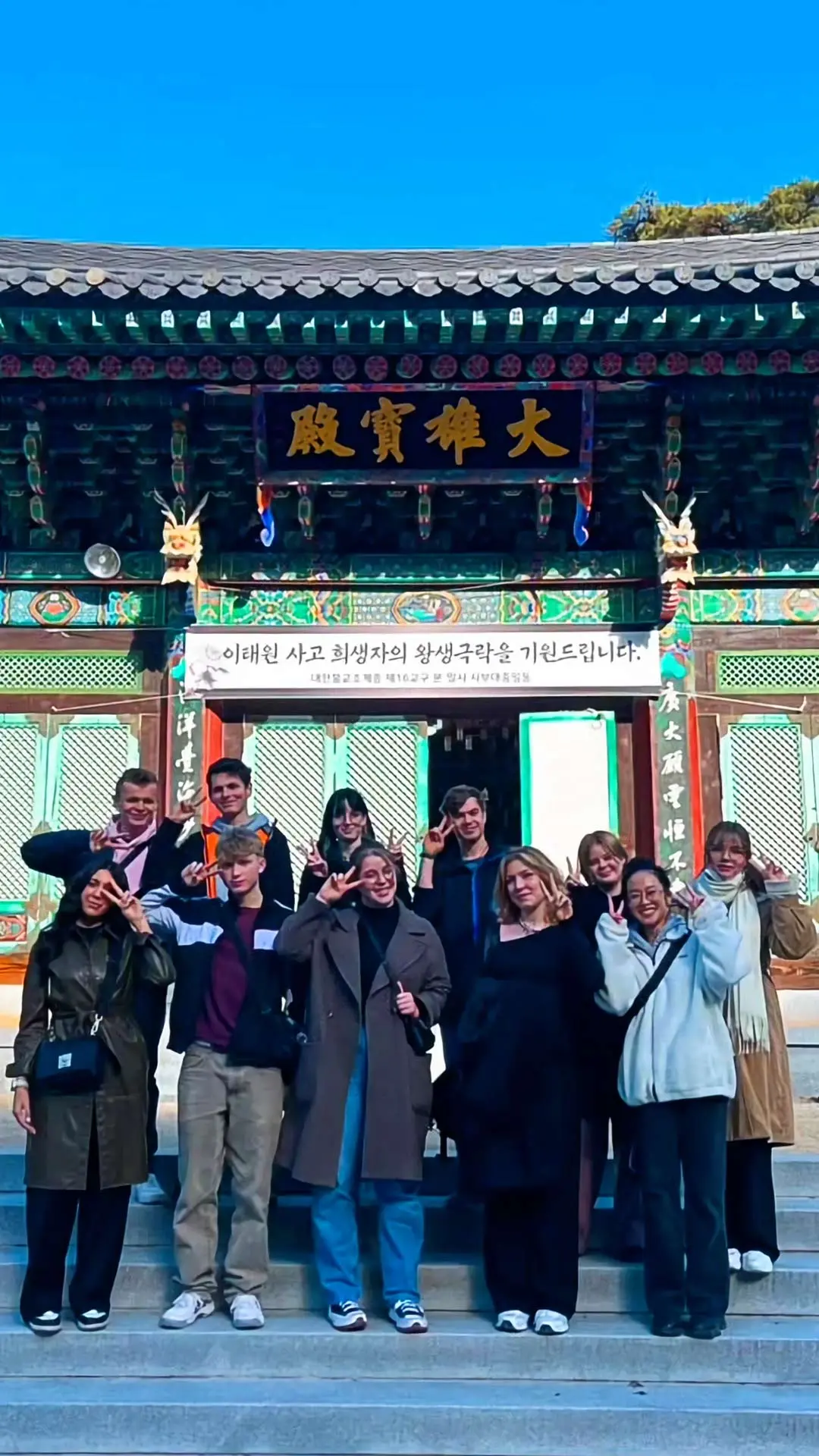
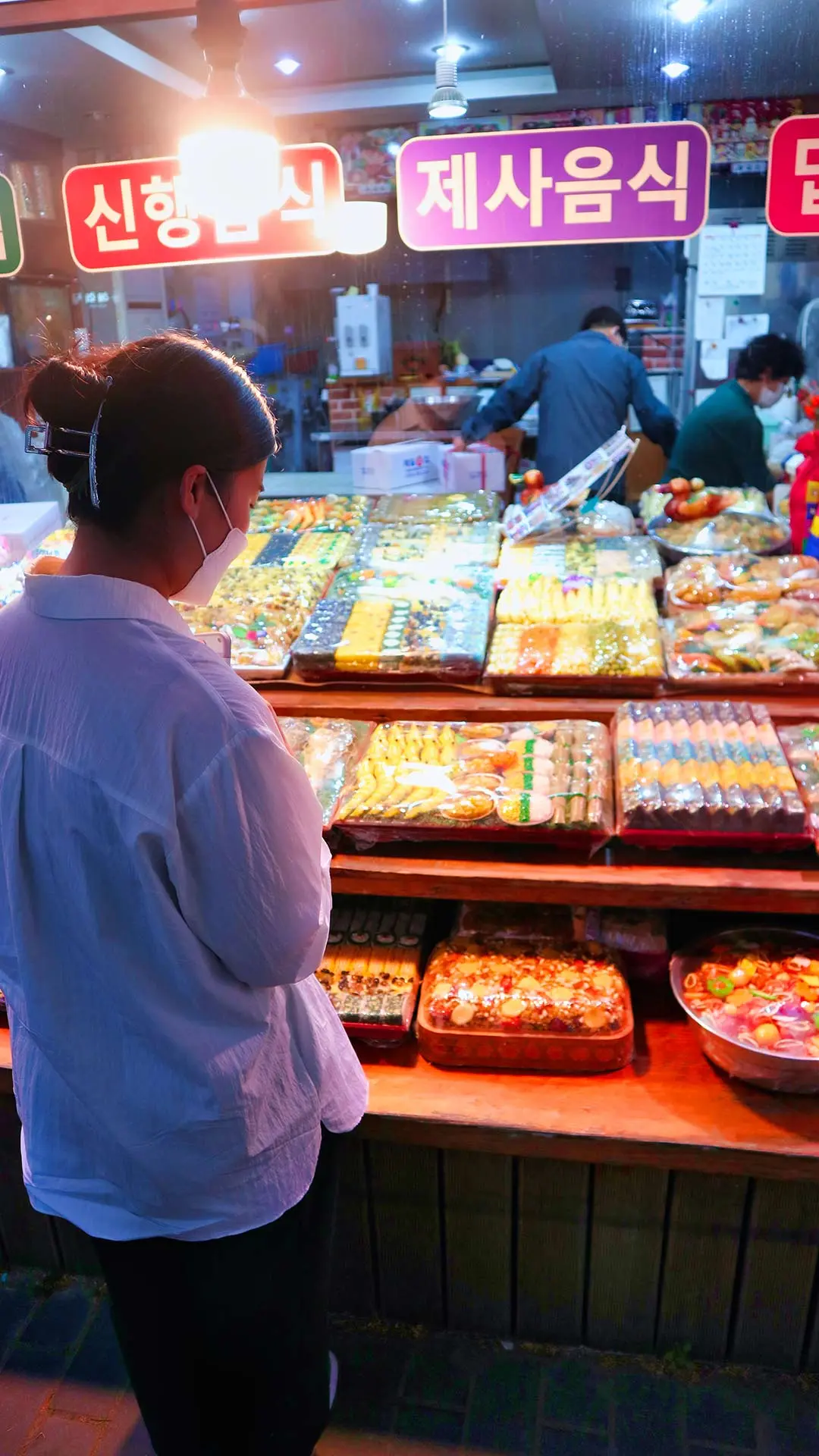
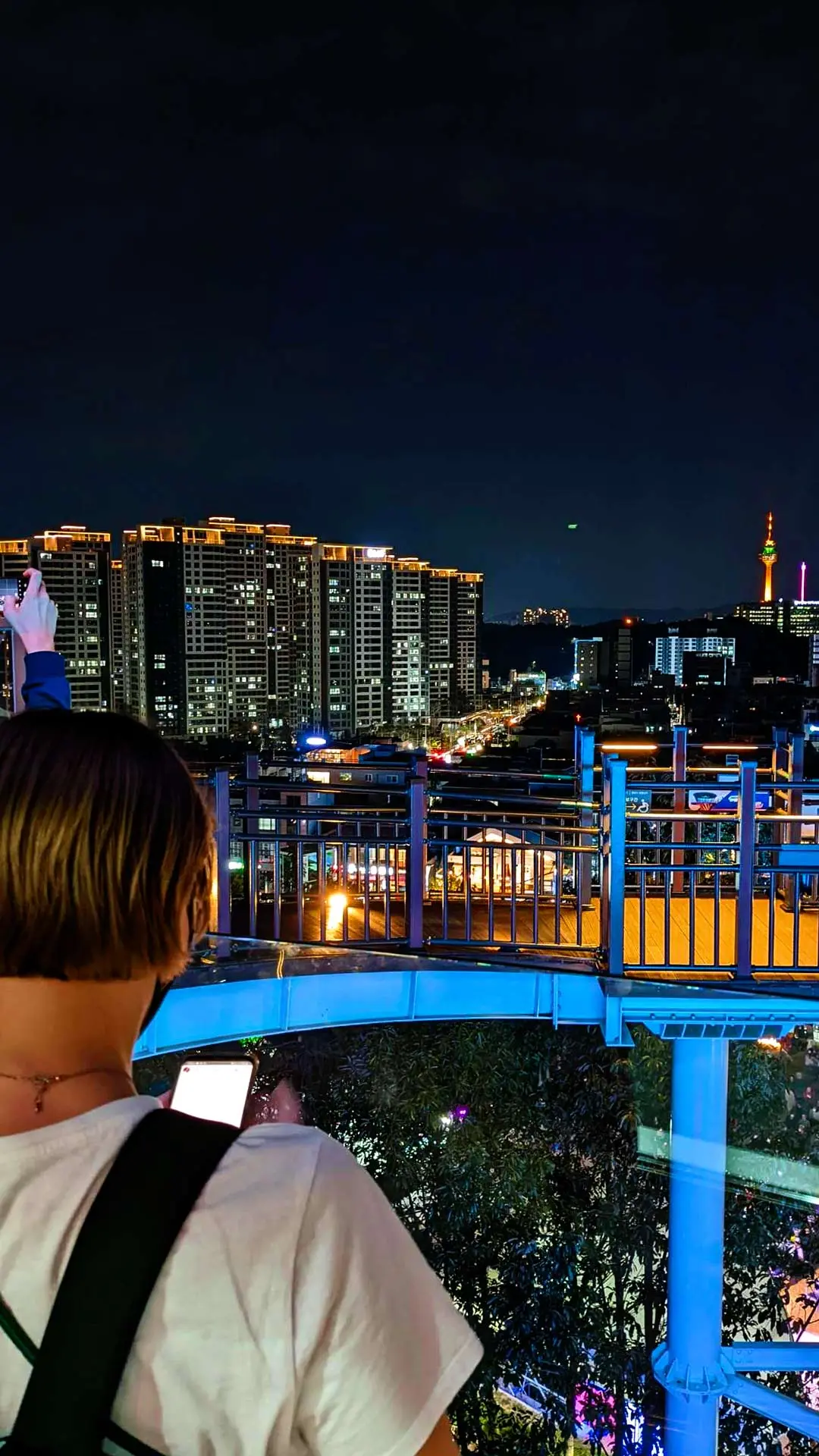
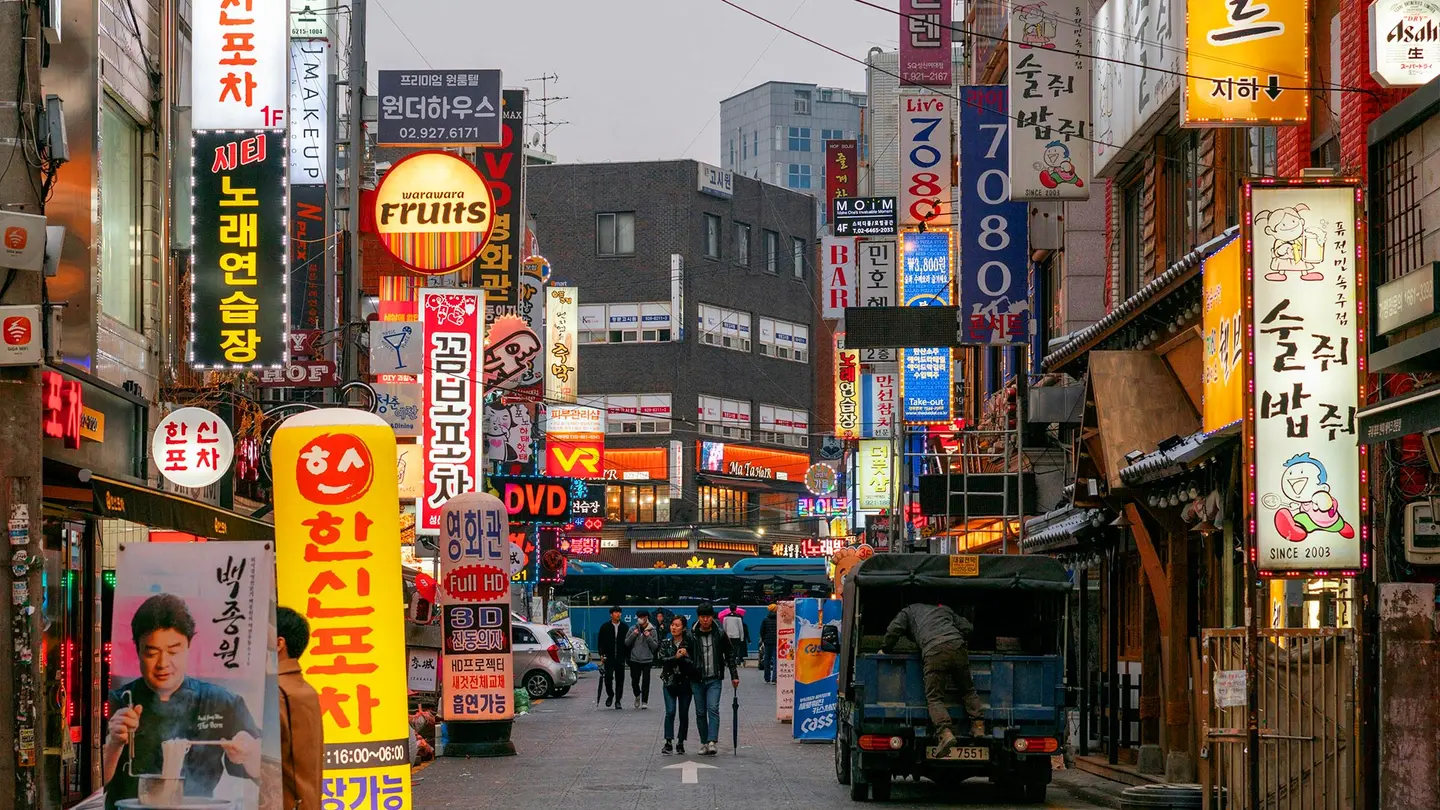
Our in-country sidekicks, World Unite, are your experts for all things job related. When you arrive, you'll be enrolled in a four-week language course in Daegu to prepare you for the world of work. In the third or fourth week, you'll have a one-to-one consultation with World Unite. Which jobs they're able to arrange for you will depend on your ability to speak and understand basic Korean. Their job network includes roles in Seoul, Busan and Daegu.
Jobs that need Korean
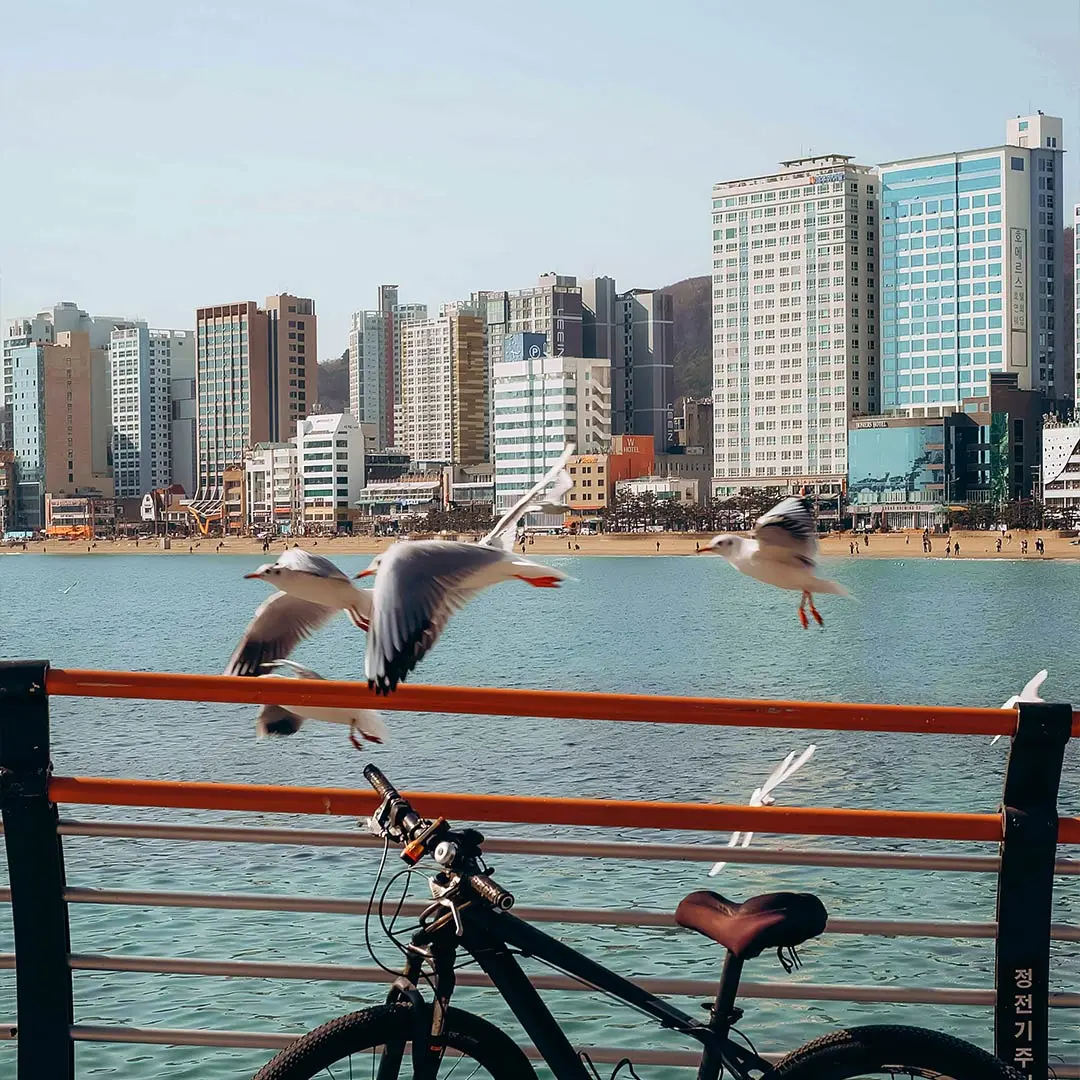
Almost all jobs will require a basic level of conversational Korean. If your teacher thinks your level of Korean is high enough, you will be able to apply for hospitality roles working in hotels, cafés, bars and restaurants. They will suggest vacancies in Seoul, Busan or Daegu (depending on your preference) and will help you translate and send off your application and CV. If you’re successful, they will also help with interview prep.
Jobs that don’t need Korean
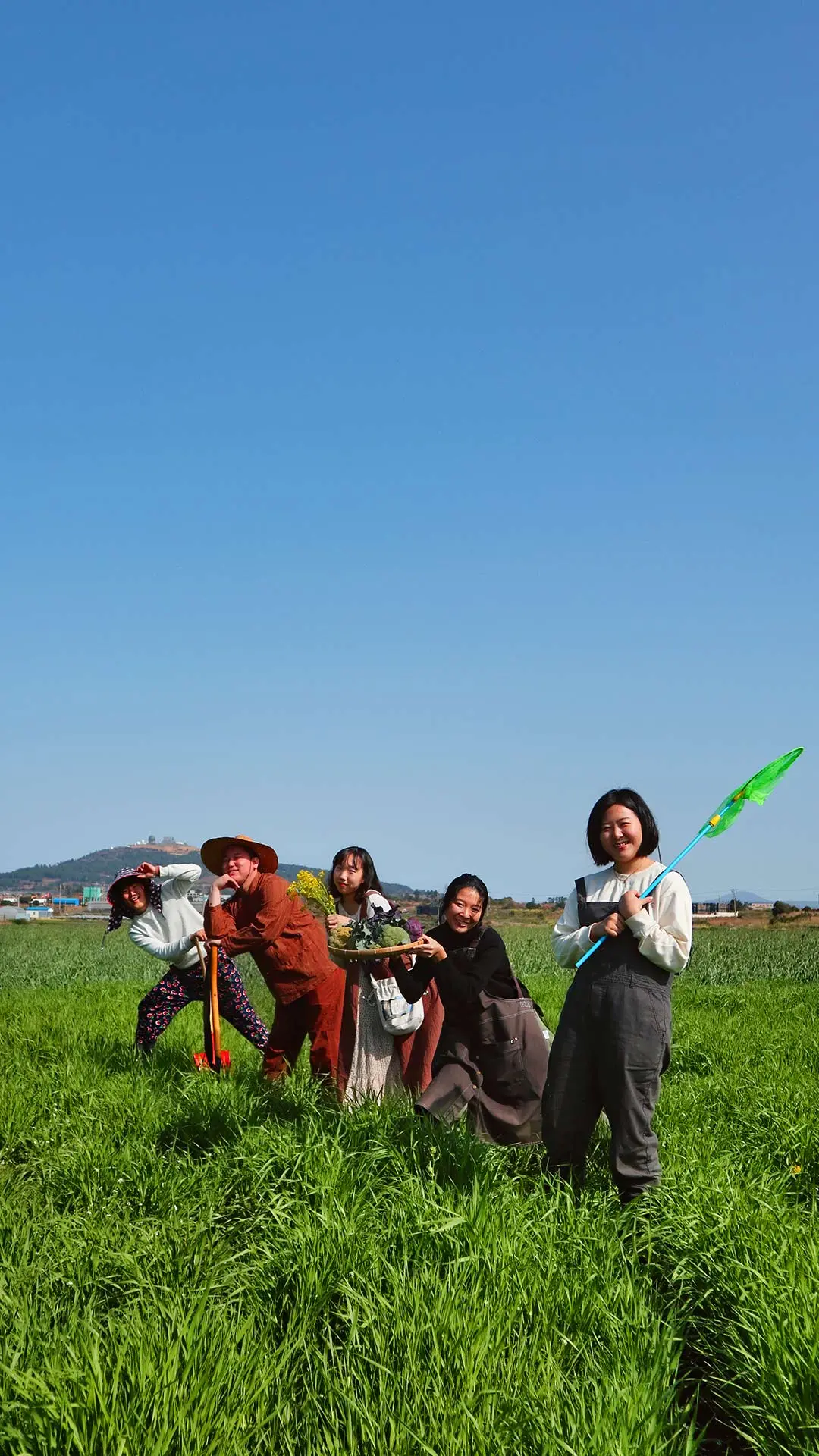
If you’re finding Korean tricky, then you probably wouldn’t get much from working in the hospitality sector. There’s only so far a smile and shrug of the shoulders can get you. However, fear not, this isn’t Squid Game. You will instead have a pool of real traveller-style jobs to choose from, think picking, packing and warehouse work – the sort that would make an old union-loving papa proud. There may also be teaching assistant roles in language schools but these are not guaranteed.
Career or trade related jobs
Although there are some exceptions (check out our FAQs for more), your working holiday visa does allow you to do other types of work. So if you'd rather do a job more aligned with your training or trade, you're free to to do this – applying as any South Korean would. Bear in mind that most nationalities are only permitted to work for 25 hours a week on this visa, 40 hours for Canadians.