

Need to know / Canada
9 things I wish I knew before moving to Canada
Your cheat sheet to surviving and thriving on your working holiday in Canada.

So, you’ve packed your puffer, nailed your visa, and are ready to swap rainy commutes for mountain views.
But before you jet off to the land of maple syrup and moose crossings, there are a few things worth knowing that don’t make it into the glossy Instagram posts. JEN-setter Aimee has pulled together this cheat sheet to surviving and thriving in the Great White North.
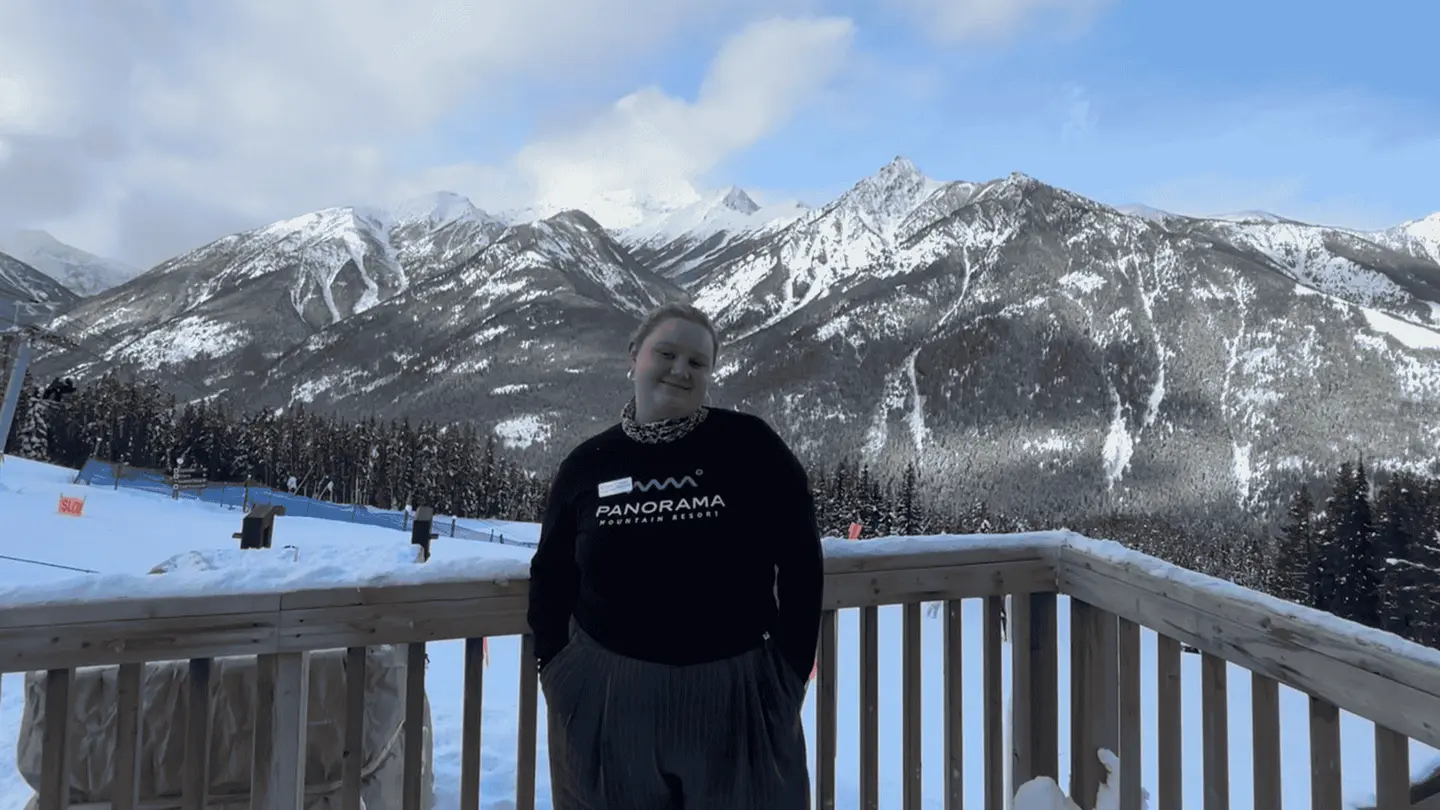
The weather feels different
I expected minus eighteen to be the death of me. Having experienced minus three in England, I was nervous. However, minus eighteen feels like minus eight. Yes, the temperatures are far below freezing but due to the dryness of the air, snow is crushed like sand, not sludge. The cold only really hits you when it's windy. So wrap up, wear your thermals but don’t panic, I promise it’s not that bad.
Work for tips
If you want to make good money, work at a restaurant or bar. In Canada, when you end a shift, you ‘tip out’ a percentage of your sales to the kitchen, bartender and host. Where you can really make money is in the evening, when people buy alcohol (or liquor as it’s referred to in Canada). Equally, you can make very good tips as a barista as people often tip one to two dollars per coffee. Similarly, Canadians tip for haircuts, nails or tattoos so take that into account when pricing up your plans.
Legal drinking age
The legal drinking age varies across the territories. In Alberta it's 18, whereas in British Columbia it's 19 and they double ID (checking a government ID and another official form of identification such as a bank card). This often throws people off as they will be refused service if they don’t have both in physical form. Liquor inspectors can be common in resorts so make sure to stick to the law, especially if you’re a server.
Also, if you work in B.C. you’ll be required to complete a Serving it Right check before you can serve alcohol.
Invest in good-quality winter boots
Some British or European brands may not provide you with the level of warmth you require. I bought boots from the UK and replaced them within a month of arriving, exchanging them for boots with flip spikes underneath and warmer layers. If you are working outside often (groundsmen or lift attendants), you will need additionally warm boots and will often wear hand or toe warmers in your boots.
Food is expensive
Food was more expensive than I expected. Add another third to your usual cost and that’s a good estimate. Go for no-name brands or superstores such as No Frills. If you live as part of a flat, have a shared cupboard for coffee, spices and baking ingredients. It will save you money in the long term.
Tipping culture
Canadians usually tip for food or drink services between 15-20%, or more like 10% if you're taking a coffee or food to go. You’ll notice an increase in the level of customer service, so try to tip if you can afford it.
With a 4-6 month pre-arranged ski or summer season job included, JENZA Work Canada is the ultimate way to hit the ground/slopes running on your Canada working holiday visa. Hit us up.
Brands you like in your country will taste different in Canada
You’ll hear lots of people talking about how Dairy Milk tastes different abroad and it’s true. The ingredients are different depending on food laws in other countries. Some ingredients used in America and Canada are banned in England and Europe. So, if you love a specific food or ingredient, it might be worth taking some with you just in case.
Do your tax return
I had no clue that if you are a seasonal worker with a work abroad visa you can file a tax return in February/March and receive a percentage of your taxes back. My local library provided this service for us, covered under a voluntary scheme. We’d print off our T40 (similar to a P45), take a government form of identification and fill out a simple form and a volunteer would complete it for us.
I won’t pretend to know completely how it works, but you can submit one in February/March (which covers your December taxes) and another the following spring to receive your taxes for the past year. This is where you’ll receive the most money, so regardless of whether you move home permanently, keeping your Canadian bank account open may be a good option.
Bears
Like me, you may be nervous about bumping into a bear on your way home from work. Well, in my five months in a rural resort, I never saw one, but it was during the winter. It may be different where you are, as most of the bears live in British Columbia, but I was often told they're probably more scared of you than you are of them.
It’s a crazy thought but a fair one if you watch some videos of bear encounters online. They're either curious or falling through a fence, scared of you. However, you must remember that these are temperamental wild animals that are dangerous. If you are going in the summer and especially if you enjoy hiking, please do your research and carry a bear bell and bear spray with you.
Ready to swap daydreams for snow days? Check out JENZA Work Canada and make it your next big adventure.

ABOUT THE AUTHOR
JENZA community
"You’ll hear lots of people talking about how Dairy Milk tastes different abroad and it’s true."
Related Blogs




The Jenza newsletter